Iceland guide
Best Time for Whale Watching in Iceland
Whales are in Icelandic waters year-round, but your odds — and which tours run — shift with the season. Here’s when to go.
When is whale watching season?
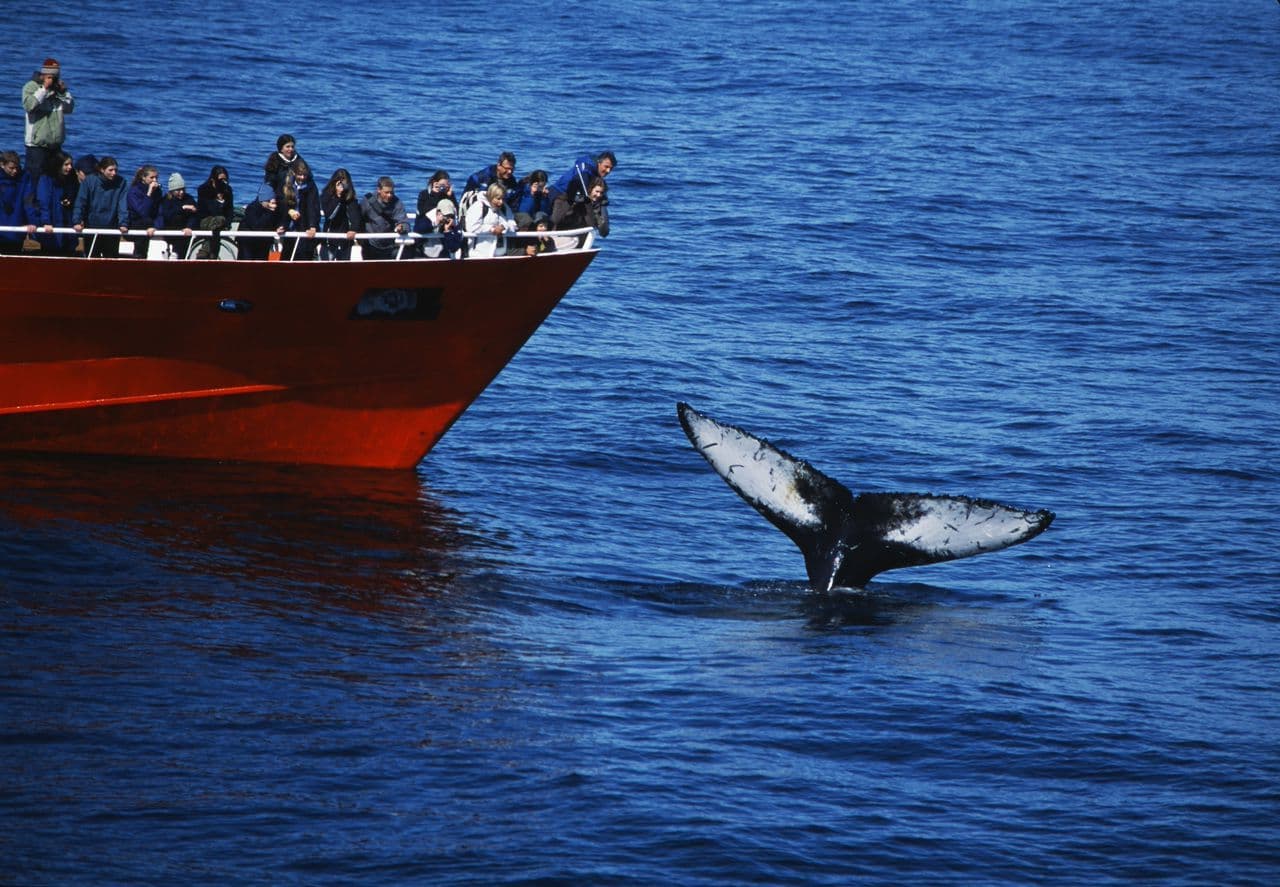
The peak runs roughly April to October, when whales gather to feed and the seas are calmer. Summer (June–August) is the high point, with the most departures, the best weather, and long daylight. Tours from Reykjavík run all year, so even winter visitors can head out, while most northern tours are summer-only.
Month by month
- April–May: the season ramps up; sightings climb as the waters warm.
- June–August: peak — highest sighting rates, calmest seas, midnight-sun departures.
- September–October: still strong, with thinner crowds.
- November–March: Reykjavík sails year-round; pair a winter trip with the Northern Lights over the same visit.
Season by destination
- Reykjavík: year-round, peaking in summer.
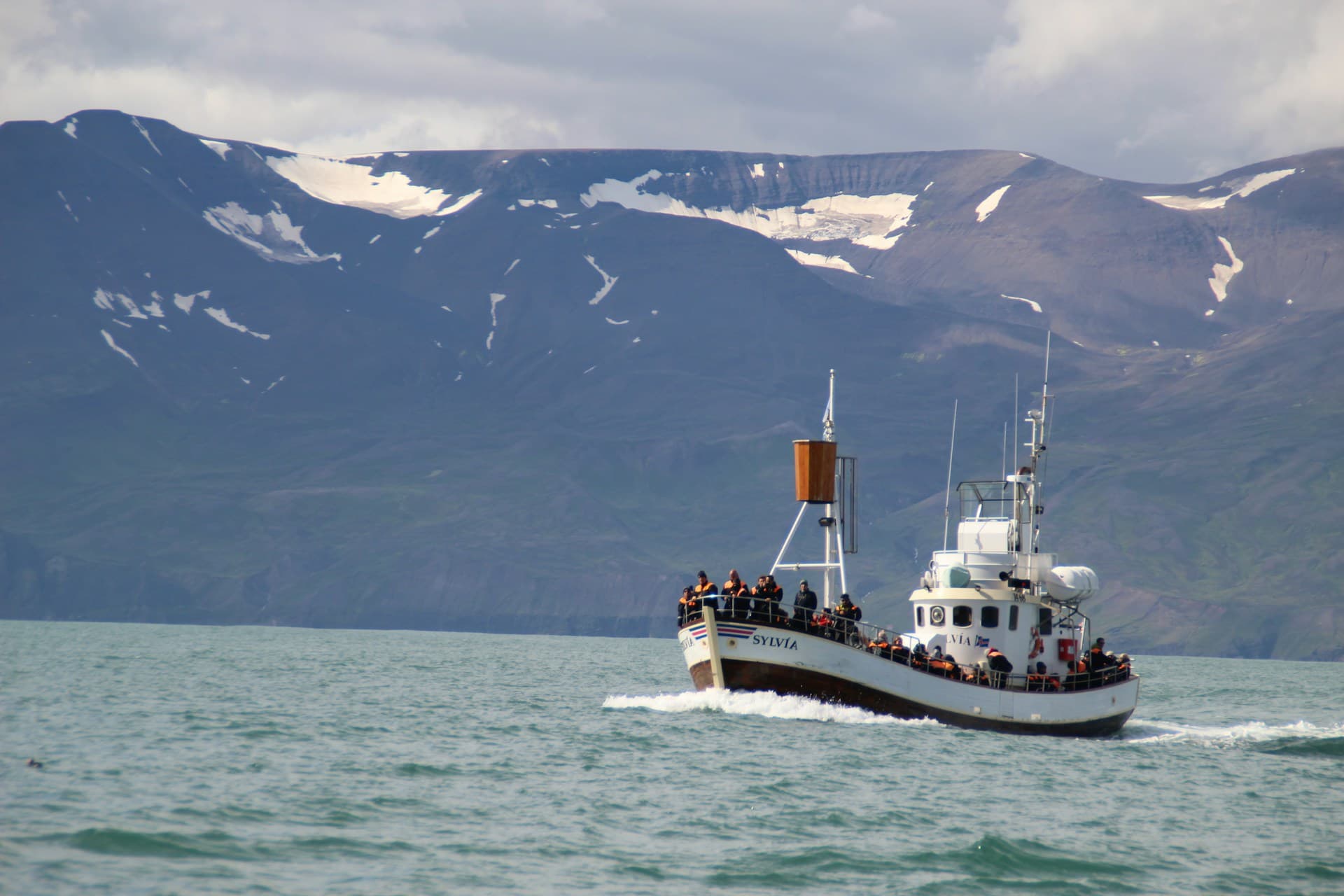
- North Iceland (Húsavík, Akureyri): mainly summer.
Frequently asked questions
What month is best for whale watching in Iceland? June, July, and August are the peak, with the highest sighting rates and the calmest, longest days. The shoulder months of May, September, and October are quieter but still good.
Can you go whale watching in winter in Iceland? Yes, from Reykjavík, which sails year-round. Winter seas are rougher and days shorter, but it pairs well with a Northern Lights trip.
Browse departures and compare boats on our whale watching tours page. New to it? Start with the best whale watching tours.