Iceland guide
Best Time for Ice Caves in Iceland
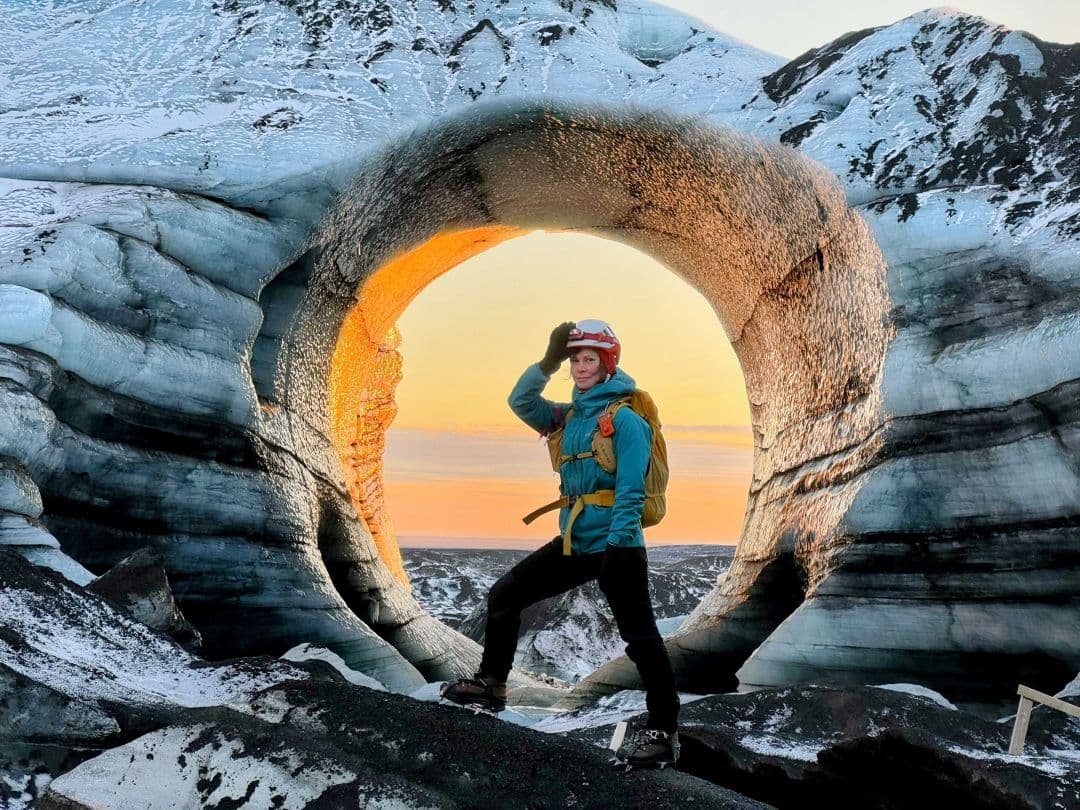
Natural blue ice caves are one of Iceland’s most sought-after winter experiences — and timing matters, because they don’t exist all year. Here’s when to go.
When is ice cave season?
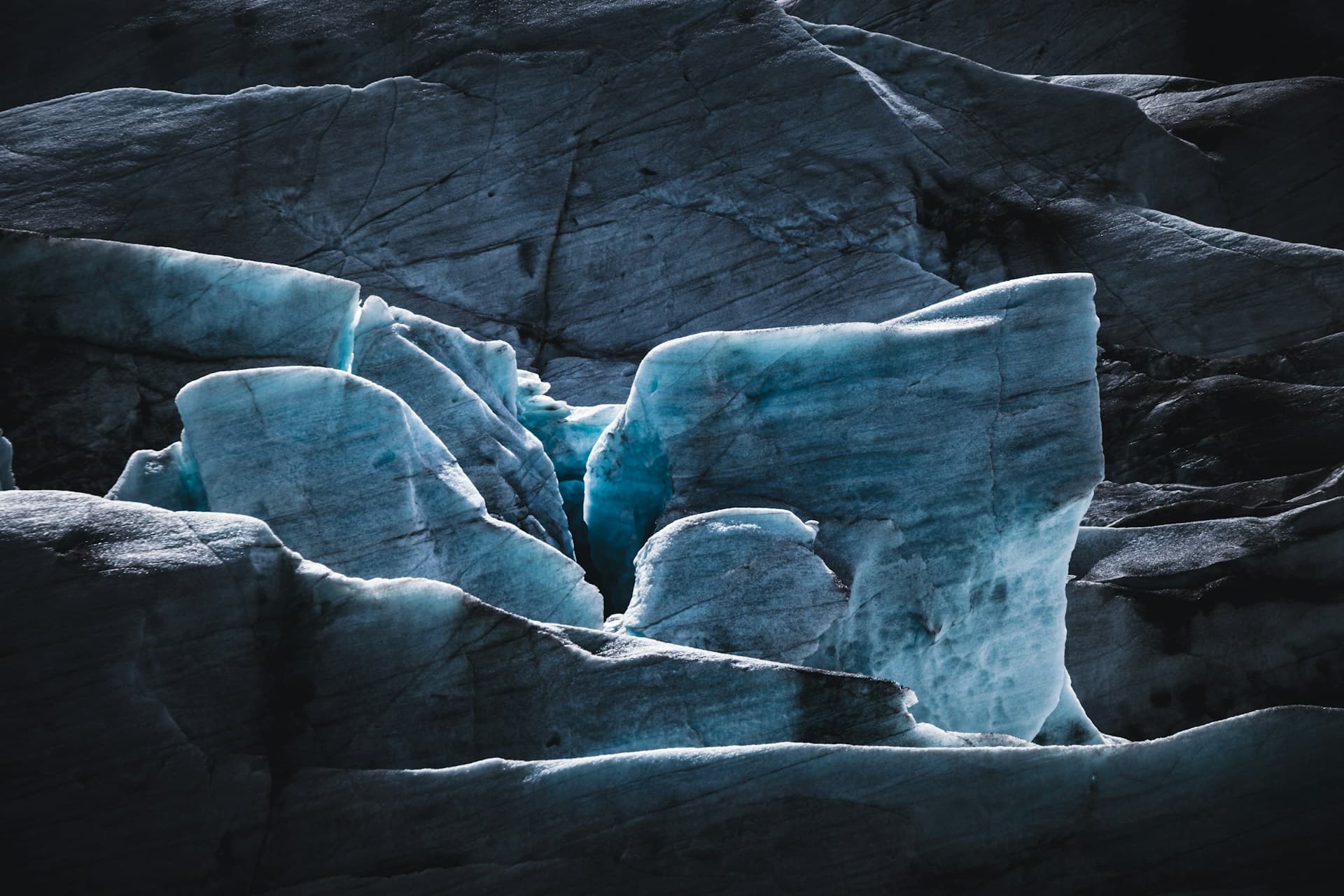
Natural ice caves form in the cold months and are generally visitable from around November to March, once the ice is stable and safe to enter. As temperatures rise in spring, the caves become unstable and close. Every natural cave changes shape — or location — each year, which is why they’re always visited with a guide.
Month by month
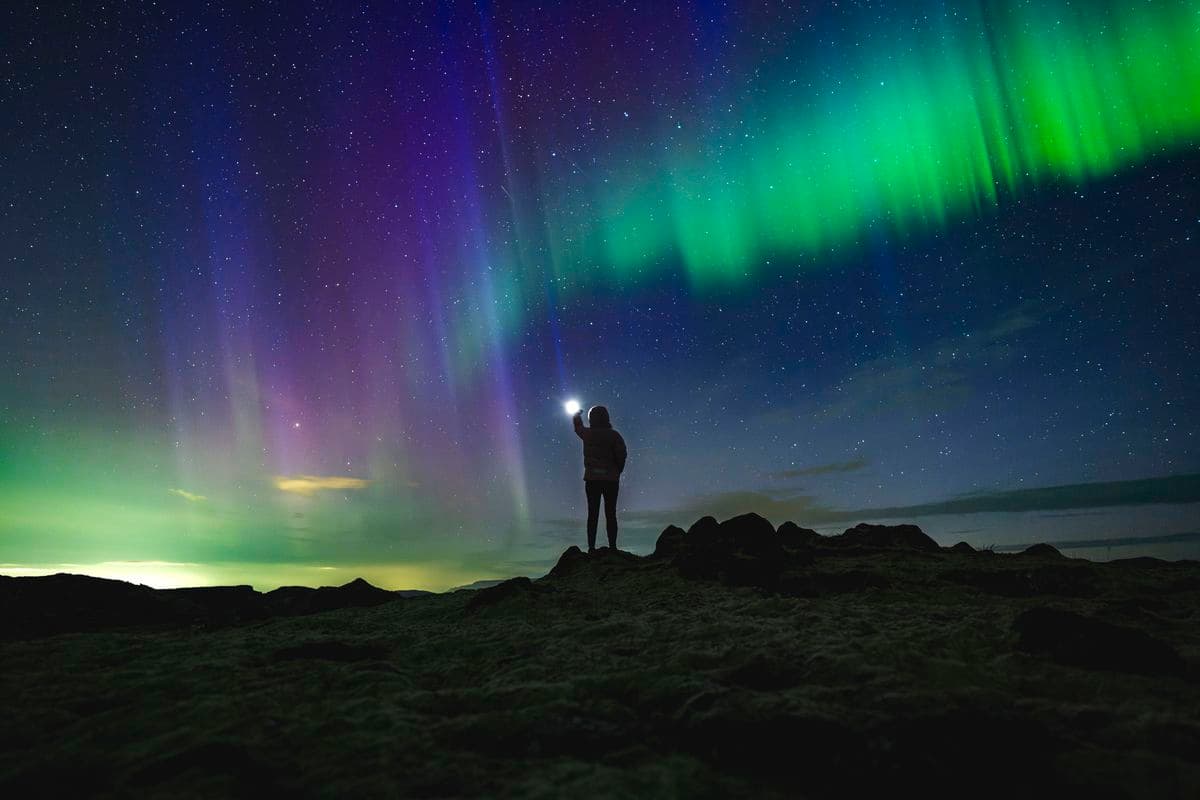
- November–December: the season opens; caves are fresh, and you can pair a visit with the Northern Lights.
- January–February: peak ice cave season, with the most reliable conditions and the bluest ice.
- March: the season winds down as it warms; book earlier in the month.
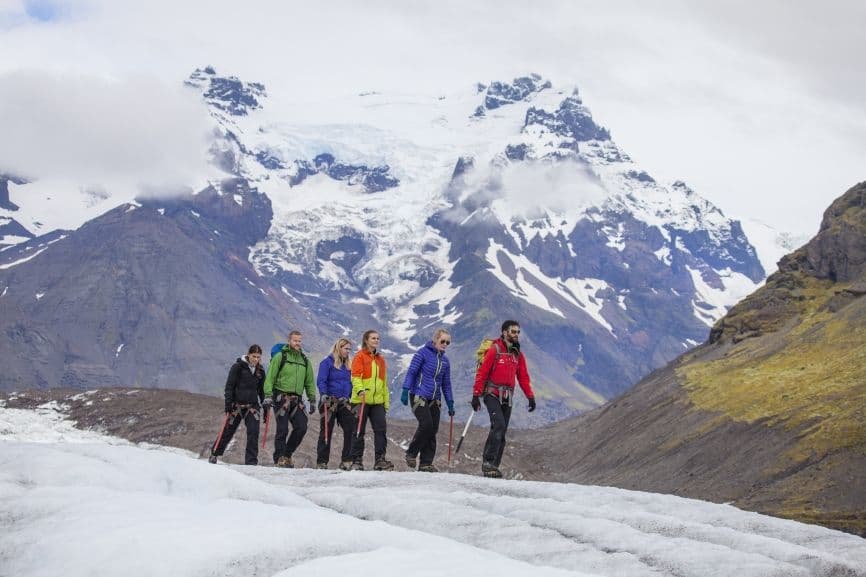
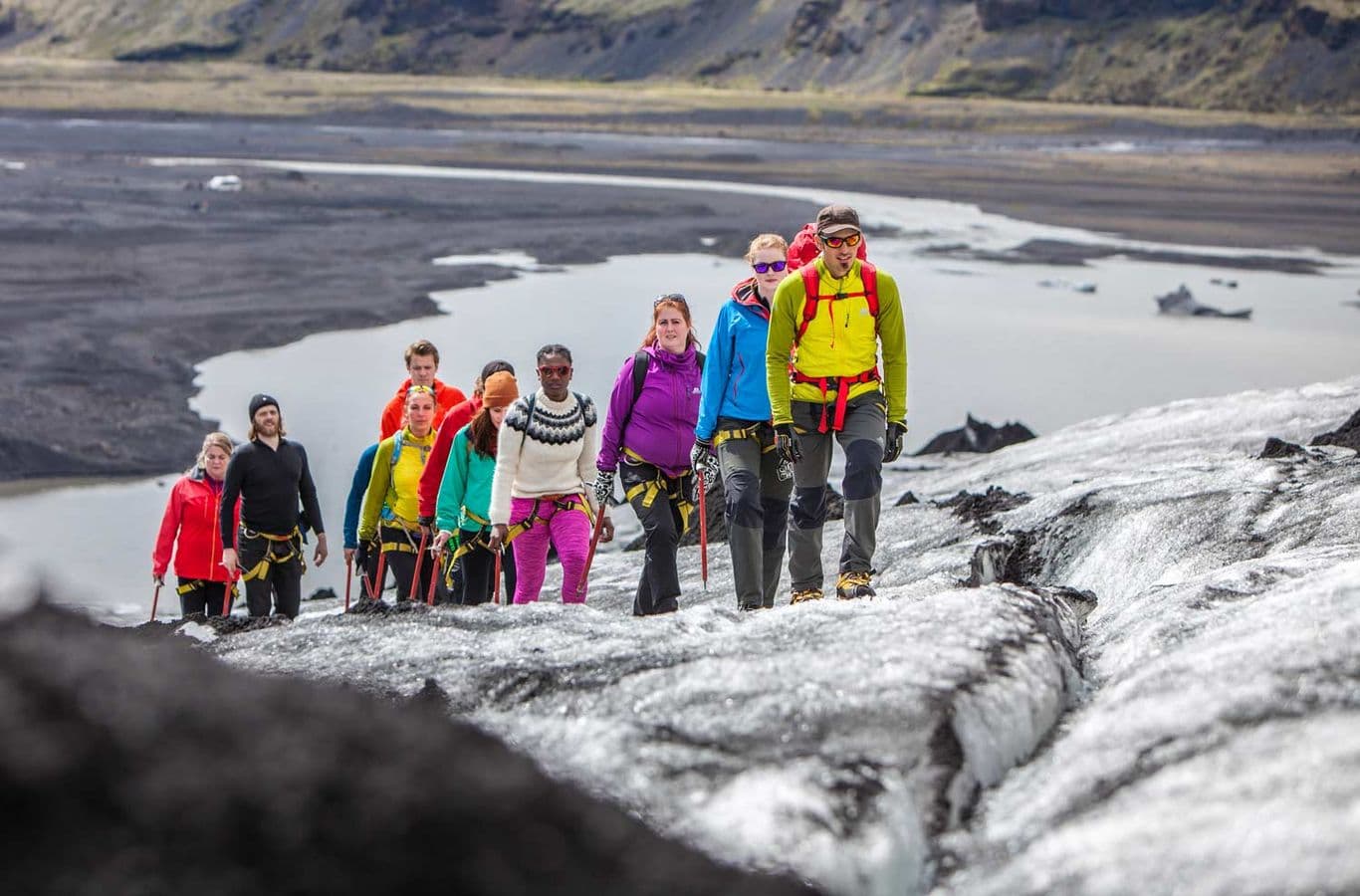
- April–October: natural caves are generally closed. The year-round alternatives are a man-made ice tunnel at Langjökull, the Katla cave near Vík, and glacier hikes.
Where to go in season
Most natural ice cave tours head to the Vatnajökull caves in Southeast Iceland, often combined with the Jökulsárlón glacier lagoon. The Katla ice cave behind Vík is reachable from the South Coast across more of the year.
Frequently asked questions
What month is best for ice caves in Iceland? January and February are the heart of the season, with the most stable ice and deepest blue colour. November and March work too, at the edges of the season.
Can you see ice caves and the Northern Lights together? Yes — they share the winter season. Ice cave tours from November to March often pair naturally with a Northern Lights hunt over the same trip.
Browse winter ice cave departures and year-round glacier tours on our glacier & ice cave tours page. New to it all? Start with the best glacier & ice cave tours.