Iceland guide
Best Time to Visit Iceland’s South Coast
The South Coast runs year-round, and each season changes what you can do there — from winter ice caves and the Northern Lights to the long daylight of summer. Here’s what to expect across the year.
Summer (June–August)
The easiest season to travel:
- Near-endless daylight, so even the long Jökulsárlón route is comfortable in a day.
- The most reliable road and weather conditions.
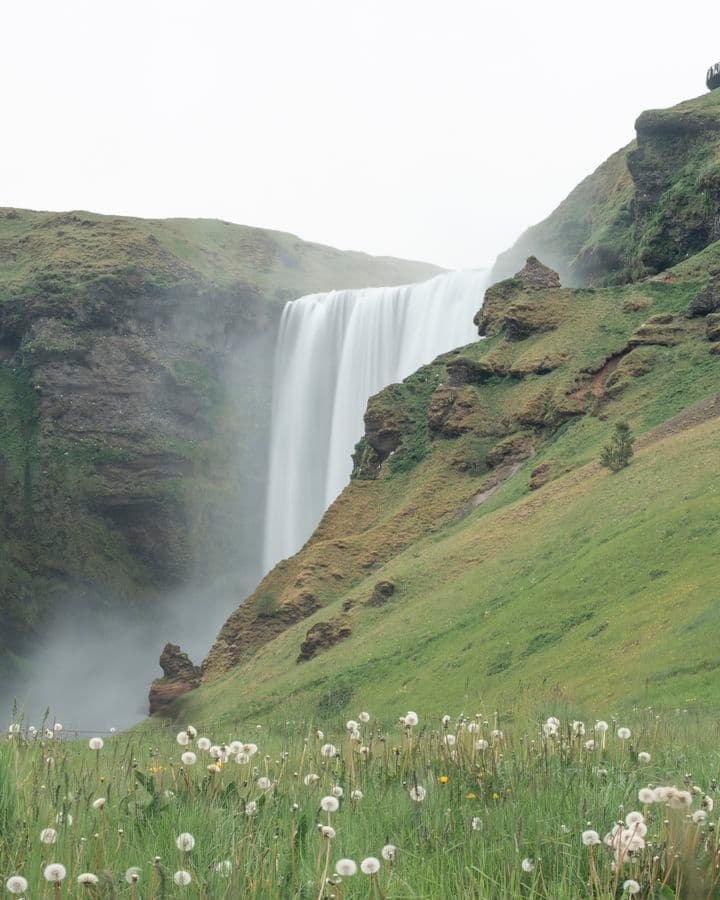
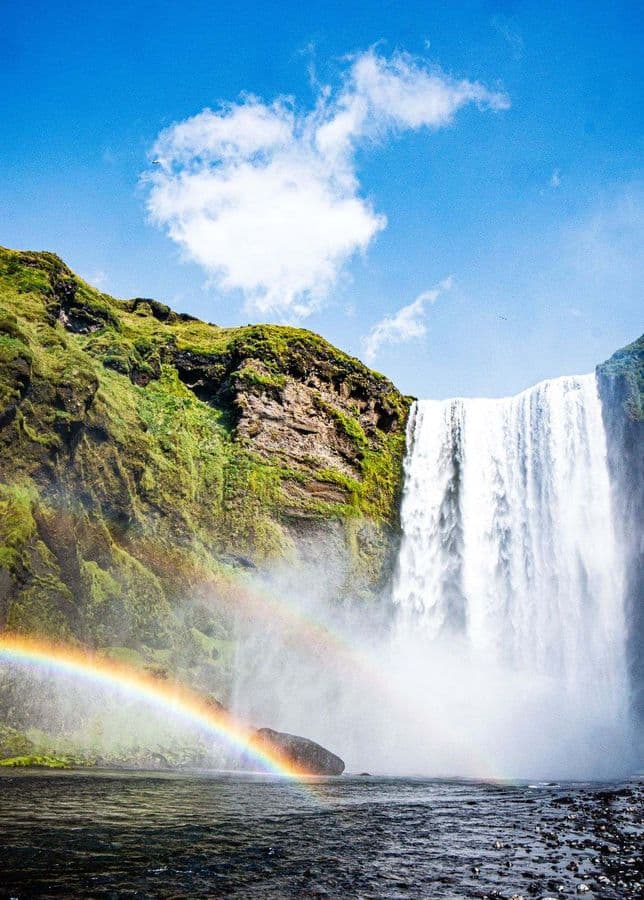
- Lush green landscapes and full-flowing waterfalls.
- Busiest and priciest — and no Northern Lights, as the sky never fully darkens.
Winter (November–March)
The most dramatic season, and the only time for some experiences:
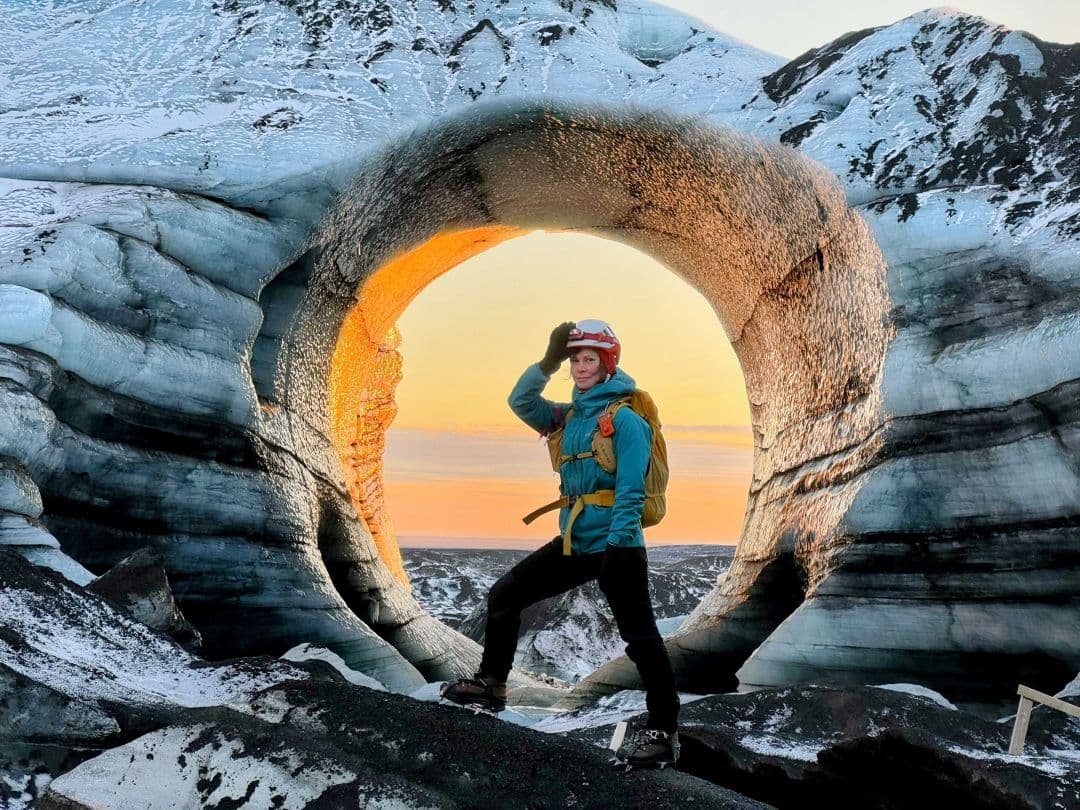
- Natural blue ice caves — a winter-only phenomenon.
- A real chance of the Northern Lights on the drive back from an afternoon tour.
- Snow-dusted waterfalls and a quieter Reynisfjára.
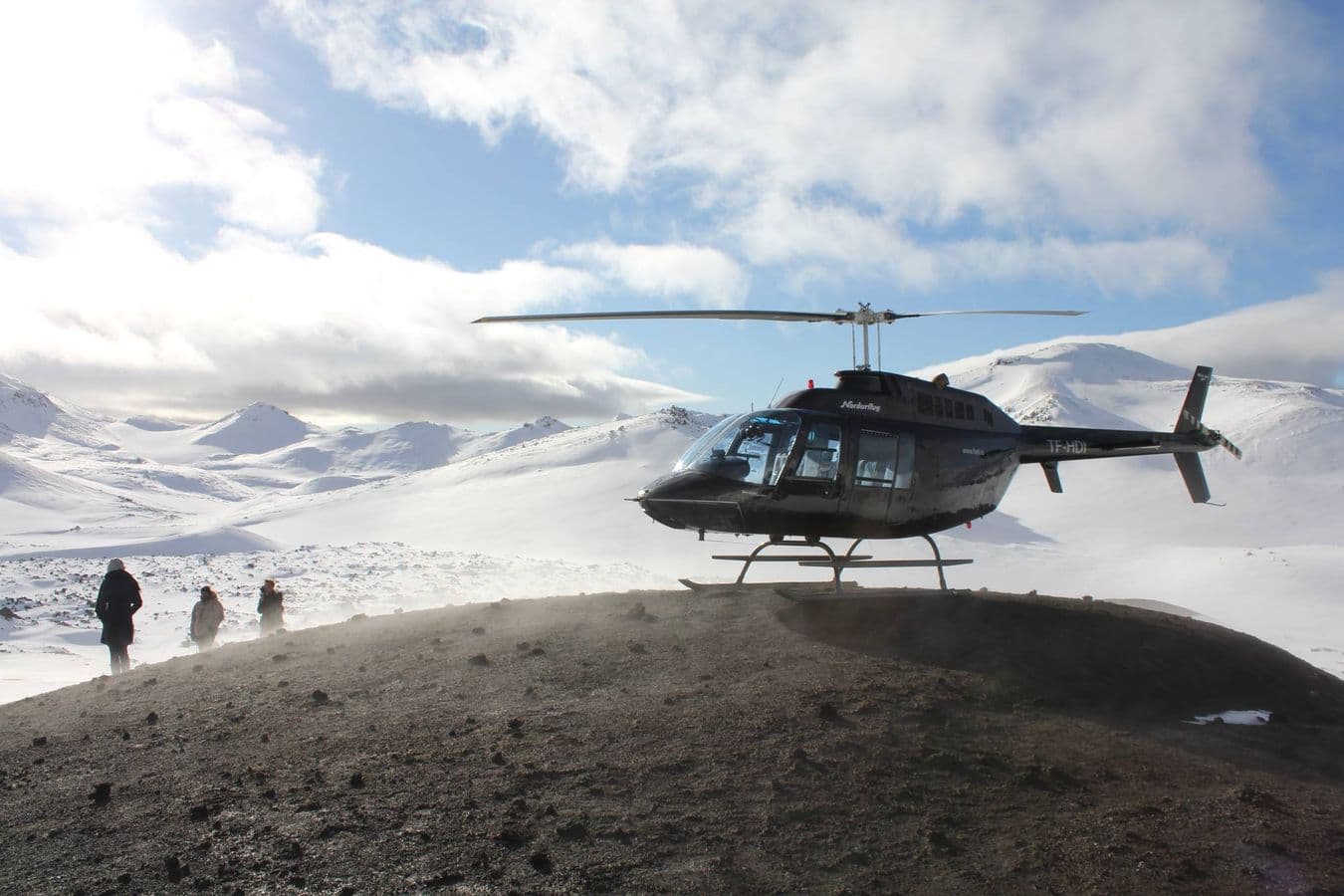
- Short daylight and changeable conditions — a guided tour that handles the winter driving is a real advantage. Always check road and weather reports.
Spring & autumn (April–May, September–October)
The underrated shoulder seasons:
- Fewer crowds and better value than peak summer.
- Waterfalls run full from the spring thaw; autumn brings the first aurora of the season.
- Lengthening or shortening days, and mixed weather — keep plans flexible.
Can you see ice caves on the South Coast?
Natural ice caves are a winter experience, generally available from around November to March, when the ice is stable enough to enter safely. They’re always visited with a guide. Outside winter, glacier hikes on Sólheimajökull run year-round as the alternative.
Can you see the Northern Lights on a South Coast tour?
Yes — between roughly September and April, winter South Coast tours often time the return drive for an aurora chance when skies are clear. For dedicated hunts, see our Northern Lights tours.
So when should you go?
- For ice caves and the Northern Lights: November to March.
- For long days and the full Jökulsárlón route: June to August.
- For fewer crowds and better value: spring or autumn.
- Best all-rounder: September or October — aurora season is beginning, ice-cave season is near, and the crowds are easing.
Frequently asked questions
What is the best month to visit the South Coast? Any month works. September and October are strong all-rounders — easing crowds, the first Northern Lights, and ice-cave season approaching — while summer is best for long daylight and the full eastern route.
Can you do the South Coast in winter? Yes. It operates all year; winter adds ice caves and an aurora chance, with the trade-off of short daylight and conditions that make a guided tour worthwhile.
Ready to plan your trip?
Browse and compare every departure on our South Coast tours page, or start with the best South Coast tours in Iceland. Still choosing a tour type? See South Coast tours compared.