Iceland guide
Best Time to See the Northern Lights in Iceland
The single biggest factor in seeing the Northern Lights is when you come. The aurora is there year-round, but you can only see it when the sky is dark — so timing is everything. Here’s how the season breaks down.
What months can you see the Northern Lights?
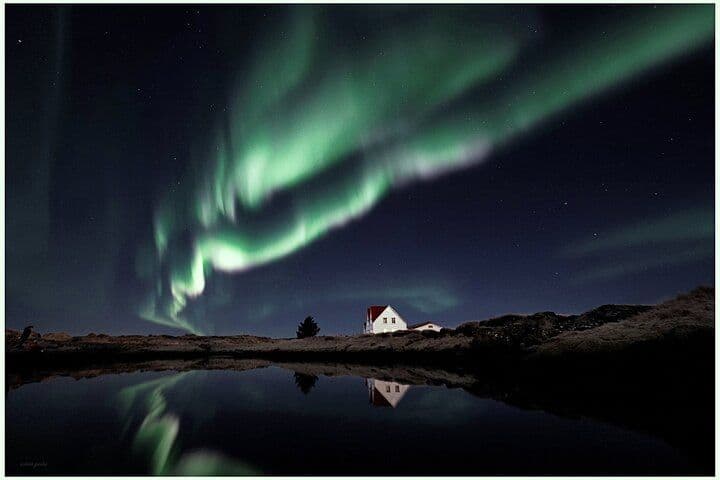
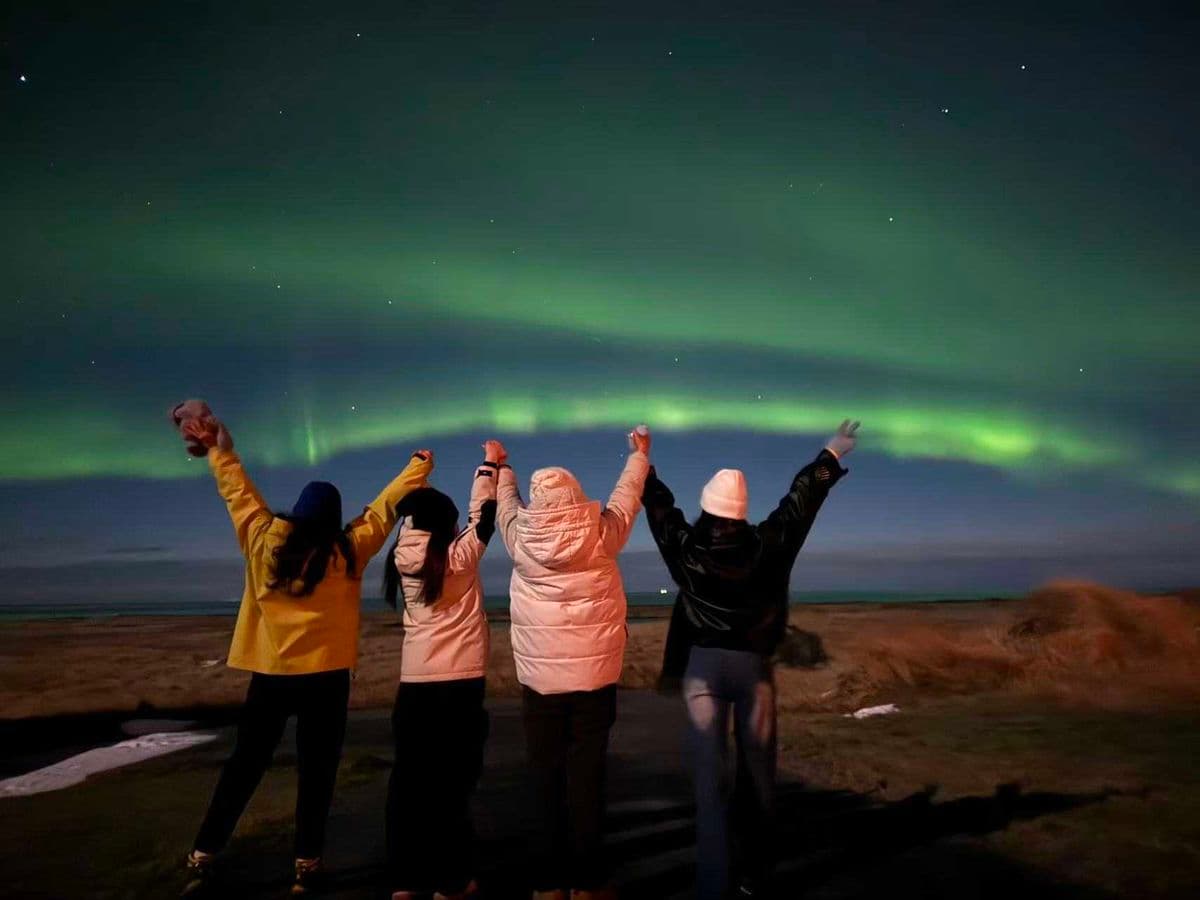
The aurora season in Iceland runs from about September to April. Outside that window — May through August — the midnight sun keeps the sky too bright, and the lights simply can’t be seen, however strong they are.
Autumn (September–October)
The season’s opening, and an underrated time to come:
- The first dark nights return, and the aurora can already be strong.
- Milder weather and more daylight for daytime sightseeing.
- Fewer crowds than midwinter, and the landscape still has its autumn colour.
Winter (November–February)
The heart of the season:
- The longest, darkest nights give the widest viewing window.
- The classic snow-and-aurora scenes Iceland is famous for.
- Short daylight (as little as 4–5 hours midwinter) and cold, changeable weather — pack warm and stay flexible.
Spring (March–April)
A strong and often-overlooked stretch:
- March in particular is known for active displays.
- Lengthening days return for daytime tours, with nights still dark enough for the aurora.
- Gradually milder than deep winter.
What time of night is best?
The aurora can appear any time it’s properly dark, but activity often peaks in the hours around the middle of the night, which is why most tours run as evening departures. A clear, moonless sky helps faint displays stand out.
What conditions do you need?
Three things have to line up: darkness (the dark season), clear skies (clouds block the view entirely), and solar activity. Iceland’s Met Office publishes a free aurora forecast that rates activity and cloud cover — worth checking before you head out.
Can you see the Northern Lights in summer?
No. From roughly May to August the midnight sun means the sky never gets dark enough. If the aurora is your goal, plan your trip for the September-to-April window.
Frequently asked questions
What is the best month to see the Northern Lights in Iceland? Any month in the dark season can deliver. Many travellers favour the equinox months — late September and March — for a balance of active displays and more comfortable weather.
Can you see the Northern Lights in September or April? Yes — both fall inside the season. September brings the first dark nights and milder weather; April still has dark-enough skies with longer days returning.
Why can’t you see them in summer? Iceland’s midnight sun keeps the sky bright through the summer months, so even a strong aurora is invisible.
Ready to plan around the season? Compare departures on our Northern Lights tours page, or read the best Northern Lights tours in Iceland for how to choose.