Iceland guide
Glacier Hikes vs Ice Caves
Both put you on Iceland’s ice, but they’re different experiences. A glacier hike is about walking the surface; an ice cave is about going inside it. Here’s how to choose — or fit in both.
Quick answer
- Want to walk on a glacier any time of year? Glacier hike.
- Want to stand inside blue ice? Natural ice cave (winter) or a man-made ice tunnel (year-round).
- Can’t decide? Many South Coast and Jökulsárlón tours combine the two.
Glacier hikes
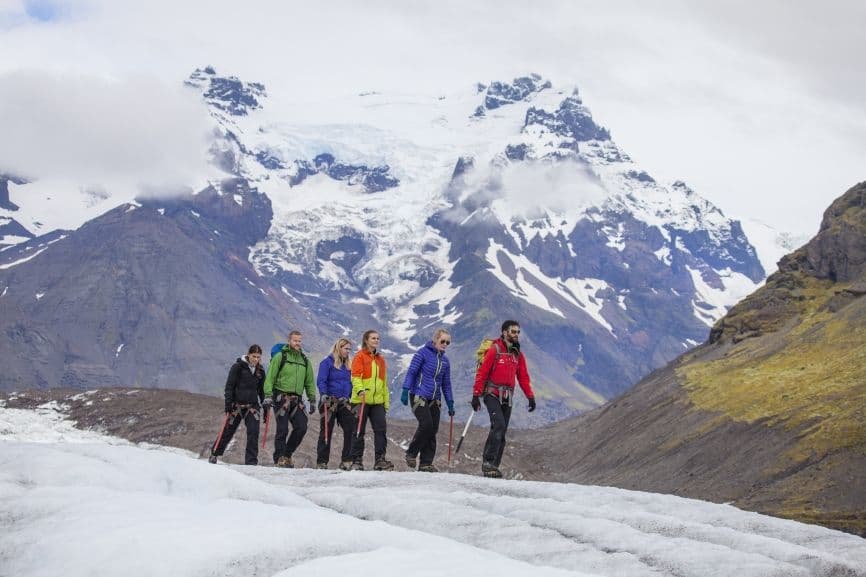
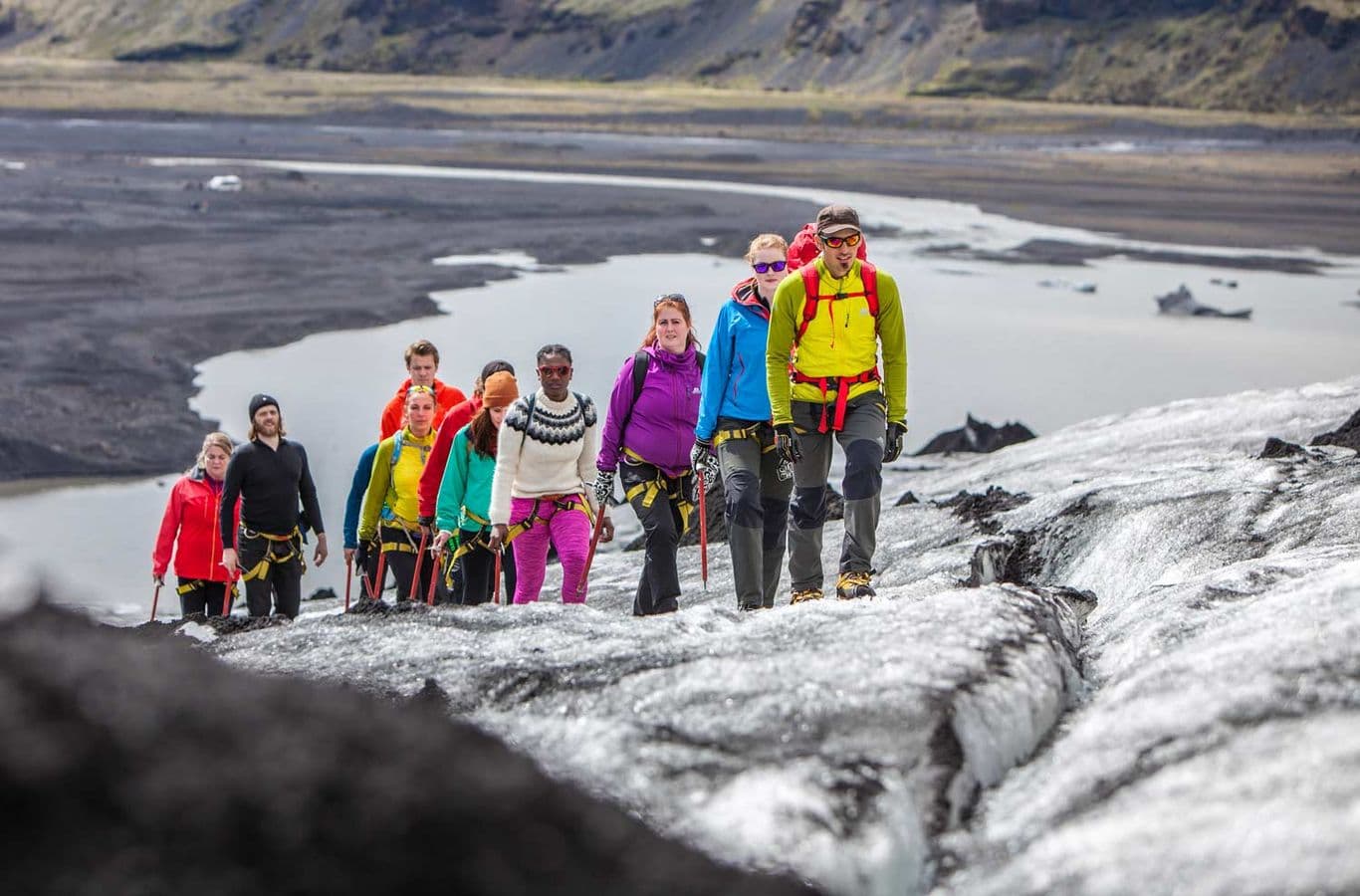
- What: a guided walk across a glacier in crampons.
- Season: year-round.
- Difficulty: options from easy to challenging; beginner hikes need only reasonable fitness.
- Best at: Sólheimajökull and Southeast Iceland.
Natural ice caves
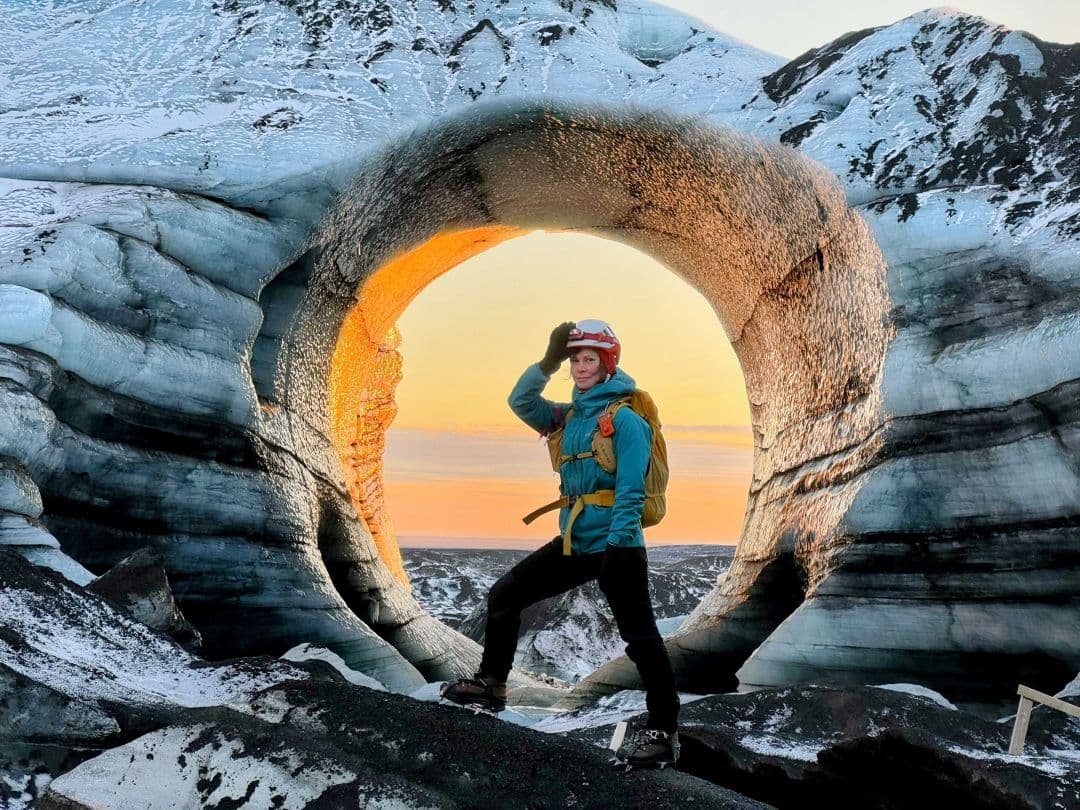
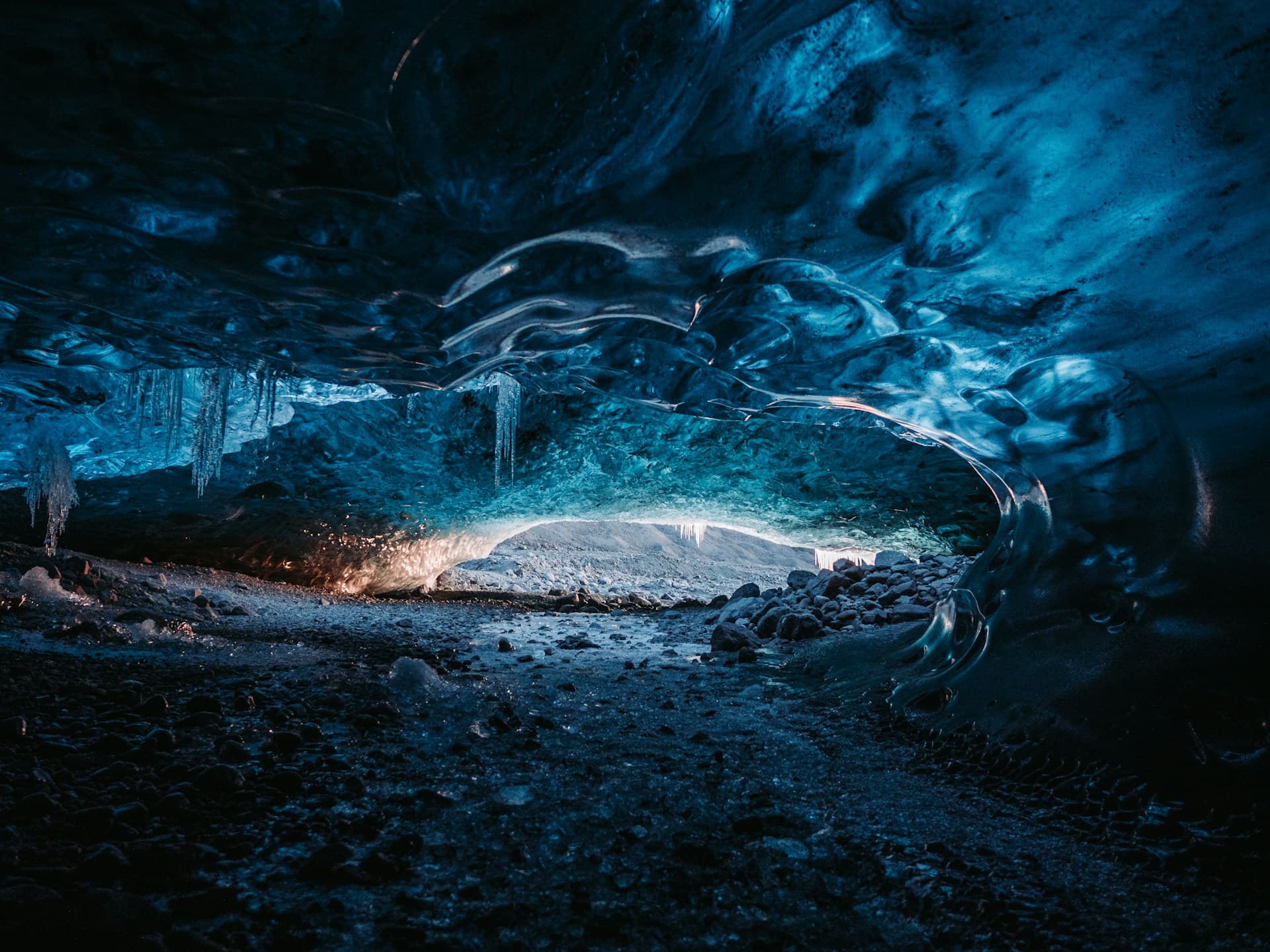
- What: entering a cave of blue glacial ice, shaped fresh each year by meltwater.
- Season: winter only, roughly November–March.
- Difficulty: usually low — mostly transport plus a short walk — though access varies.
- Best at: the Vatnajökull caves in Southeast Iceland; the Katla cave near Vík runs across more of the year.
Man-made ice tunnels
- What: a carved tunnel into the Langjökull ice cap.
- Season: year-round — the all-season way to get inside the ice.
- Difficulty: low and accessible.
Can you do both on one trip?
Yes — and it’s a popular choice. In winter, tours pair a glacier hike with an ice cave; combos along the South Coast or out to Jökulsárlón let you do both in a day or over a multi-day tour.
Frequently asked questions
Is an ice cave or a glacier hike better? Neither is better — they’re different. Ice caves are visually unforgettable but winter-only; glacier hikes are more active and available all year. If you’re visiting in winter, doing both is ideal.
Can you visit an ice cave in summer? Natural blue ice caves are generally a winter experience. In summer, a man-made ice tunnel at Langjökull or the year-round Katla cave are the alternatives, alongside glacier hikes.
See what’s running now on the glacier & ice cave tours page, or check the best time for ice caves.